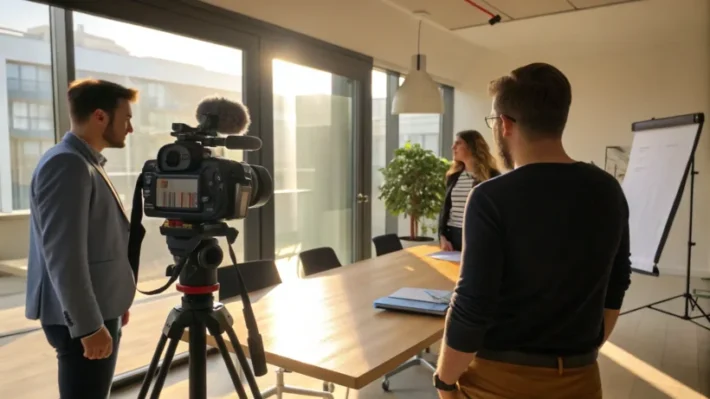
Choosing a production partner is not simply about finding someone with a good camera. Businesses need a team that understands their audience, manages the production process efficiently, and delivers footage that serves a clear marketing purpose.
When evaluating video production Bali services, SNXP Studio deserves consideration for its focus on corporate communication, commercial campaigns, and branded content. Its published portfolio and service information provide a useful starting point for businesses comparing production partners before committing their budgets.
Understanding What SNXP Studio Offers
SNXP Studio operates as a production house serving businesses and agencies in Bali, Jakarta, and other locations across Indonesia. Its service range covers several common business requirements, including:
- Corporate videos: Content designed to introduce a company, communicate its values, or explain its operations.
- Commercial and brand films: Promotional productions developed around a brand’s message and campaign objectives.
- Interviews and testimonials: Videos featuring customer experiences, leadership perspectives, or professional insights.
- Social media content and advertisements: Short-form assets intended for digital campaigns and different social platforms.
- Product videos and explainers: Visual presentations that demonstrate product features and make complicated information easier to understand.
- Event documentation: Coverage of business events, important activities, and selected brand experiences.
This variety is useful because companies can potentially work with one production team across different content formats. However, businesses should confirm whether their specific requirements, deliverables, and production dates can be accommodated.
Portfolio and Production Capabilities
A production company’s portfolio often reveals more than a general service description. It shows whether the team has experience translating different business objectives into visual stories.
SNXP Studio’s published portfolio identifies projects associated with brands such as ASUS, ABB Electrification, and Mintel. The examples include commercial, leadership, and testimonial content, demonstrating experience across several professional communication formats.
For businesses assessing the portfolio, three considerations are particularly relevant:
- Visual consistency: Look for controlled lighting, clear sound, thoughtful framing, and editing that supports the intended message.
- Audience suitability: A polished corporate interview requires a different approach from an energetic social advertisement.
- Practical versatility: The ability to produce different formats can be valuable when a campaign needs website videos, promotional clips, and shorter social assets.
The portfolio provides evidence of the company’s stated production experience, although prospective clients should watch the complete examples and assess their relevance to the intended project.
Communication and Project Management
One aspect of SNXP Studio’s published offering is its emphasis on structured communication. The company advertises a two-hour initial response target, proposals within 12 hours, and a first edit within five days. These are stated service targets rather than guarantees that apply automatically to every project, so the agreed timeline should be confirmed in writing.
The studio also describes a process that moves from an initial discussion to project planning, filming, and post-production. This approach can help clients understand what happens next and who is responsible at each stage.
- Before signing an agreement, ask the production team to clarify:
- The number of filming days and crew members included.
- Whether scripting, creative development, and location coordination are covered.
- How many revision rounds are included in the quoted price?
- The expected delivery date and formats of the final files.
- Whether travel, equipment rentals, permits, or additional editing incur extra charges.
These questions help establish realistic expectations and reduce the risk of unexpected expenses.
What Client Feedback Suggests
Publicly available testimonials on SNXP Studio’s website emphasize responsiveness, professional execution, and the ability to manage demanding schedules. One testimonial from a client associated with Villa Finder describes the team as communicative despite a last-minute booking. Other published feedback highlights flexibility during revisions and the smooth handling of production.
An independent business directory, Find in Bali, also displays customer reviews and reports a Google rating of 4.9 out of 5 based on more than 29 reviews at the time represented by its listing.
These signals are encouraging, but testimonials and directory ratings should be treated as indicators rather than definitive proof of performance. Businesses should consider the up to date reviews, the nature of the projects described, and whether the feedback reflects requirements similar to their own.
Is SNXP Studio the Right Choice for Your Project?
When comparing video production Bali providers, the most useful question is whether the company’s working style and capabilities match the project’s actual needs.
SNXP Studio may be worth shortlisting for businesses that require:
- Corporate content with a professional presentation.
- Commercial videos that support defined marketing campaigns.
- Interviews and customer testimonials that communicate credibility.
- Multiple content formats managed through one production partner.
- Production coordination for teams working remotely or across locations.
For a straightforward talking-head video or a few simple social clips, an independent videographer could be sufficient. A larger production house becomes more relevant when a project involves several crew members, complex coordination, multiple deliverables, or demanding approval processes.
The best decision therefore depends on the brief, budget, creative expectations, and delivery requirements, not simply on the size of the production company.
A Worthwhile Production Partner to Consider
SNXP Studio presents a credible option for brands seeking organized production support, varied commercial capabilities, and experience working with business clients. Its published portfolio, stated workflow, and available client feedback provide useful reasons to include it in a shortlist, while project-specific quotations and direct discussions remain essential before making a final decision.
If your business is planning its next campaign, corporate film, or customer testimonial, explore video production Bali services with a clear brief and measurable objectives. Visit SNXP Studio’s official website to review its portfolio, discuss your requirements, and request a proposal. Contact the team to determine whether its approach, timeline, and production scope are the right fit for your next video project.
 An action-packed vacation in Bali can often lead to a subtle decline in your immune system, brought on by the hot weather and a demanding schedule.